

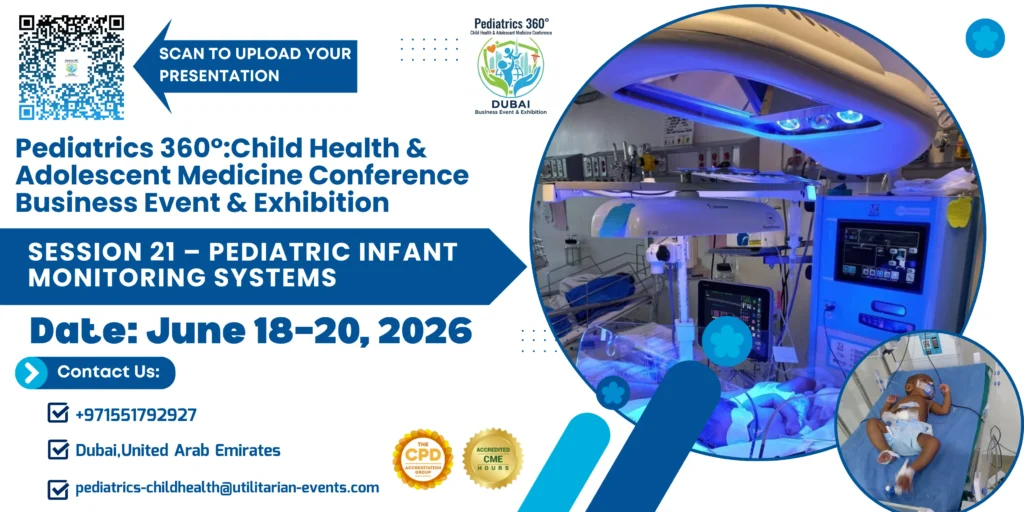
Purpose: Pediatric Infant Monitoring Systems are advanced technologies designed to continuously track vital signs and physiological parameters in newborns and infants, both in clinical settings and at home. These systems support early detection of health abnormalities, enhance patient safety, and provide caregivers and clinicians with real-time insights into an infant’s health and development.
Keynote Points:
- Types of infant monitoring systems: cardiorespiratory, oxygen saturation, movement, and sleep monitoring
- Role of monitoring in NICU and home-care environments
- Integration of wearable sensors, wireless devices, and AI analytics
- Early detection of apnea, hypoxia, and abnormal vital patterns
- Data accuracy, safety standards, and regulatory compliance
- Parental engagement and remote clinician access
- Ethical considerations and data privacy in infant monitoring
Benefits:
- Enables early intervention and rapid response
- Enhances Infant safety and survival outcomes
- Reduces caregiver anxiety through continuous monitoring
- Supports clinical decision-making with real-time data
- Facilitates home-based care and early discharge
- Improves overall quality of neonatal and infant care